


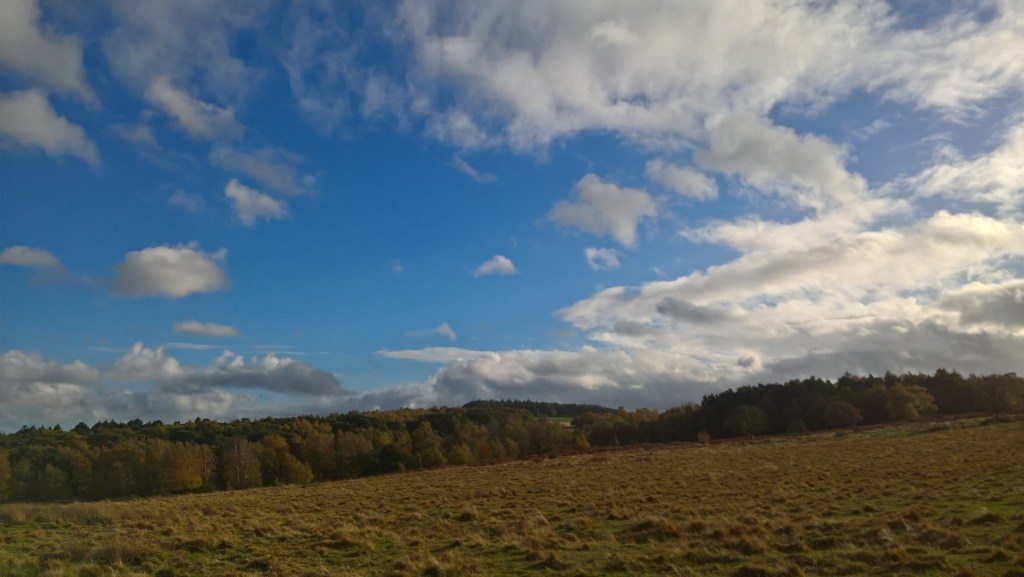
DISCOVERIES of a geological kind were unearthed today at the finding of geopark; one of several areas of exceptional geological significance.
This UK’s geopark in Charnwood Forest intends to become part of a global network of 140 UNESCO sites of special scientific interest including cavernous caves, billion year – old rocks, highland mountains and ocean cliffs.
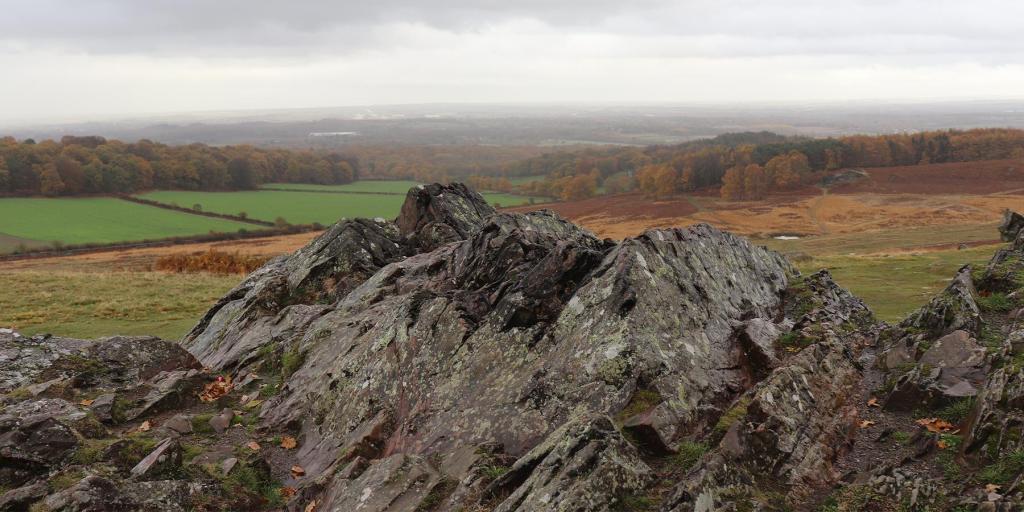
Situated in Leicestershire it’s part of the National Forest and stretches from North East Leicestershire over to Rothley and includes the highest density of SSSI in the county with some of the oldest rocks dating back 580 million years. Fossil Charnia masoni was discovered here in 1957 and it was Sir David Attenborough’s playground as a child.
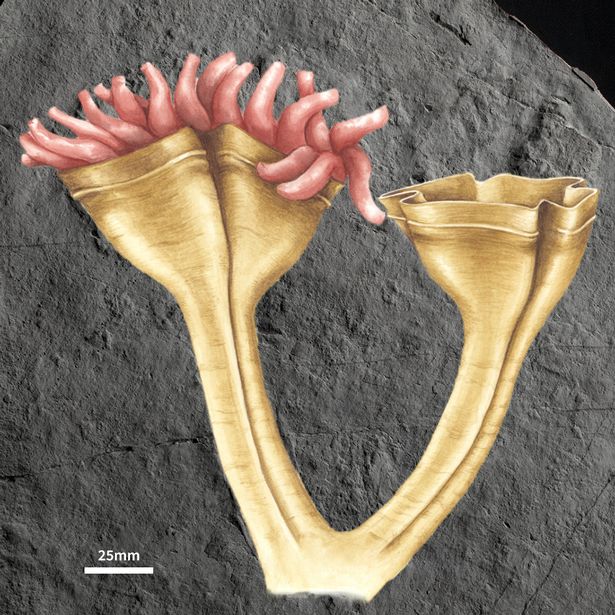
An even more recent discovery was made in the area only this year of the first fossil of an animal predator, from the group including jellyfish and coral. It is believed to be the oldest from any animal group with descendants today and has been named Aurora lumina attenboroughii, after our local national treasure.
The U.K. is home to seven other UNESCO geoparks stretching from Geopark Shetland in Scotland down to the English Riviera in Devon as well as Wales and a cross border Geopark shared with Northern Ireland and the Irish Republic. Charnwood Forest is aiming to achieve this status too.
The areas are hoping to support sustainable development through conservation, nature tourism, education and interpretation. In Charnwood Forest 18 separate projects work to promote these aims under the guidance of the National Forest.
All the U.K. geoparks have significant geology but what separates them from other UNESCO sites including World Heritage Sites and biospheres is the promotion of sustainable economic development of the areas through geological and responsible tourism.
 Charnwood News
Leave a comment