


RECORD numbers of people are leaving the workforce due to long–term sickness while waiting lists for allotments are at an all– time high.
We all know a healthy, fresh diet is key to a healthy life but much of what is grown on the allotment has therapeutic benefits valued for centuries as pharmaceutical treatments.
At Park Farm allotments in Loughborough we are surrounded by a peripheral Midland hawthorn hedge, with lethal spikes acting as a deterrent against break–ins.
But that’s far from the only defence the hedge provides; it also acts as a bioactive seal on a cabinet of medicinal herbal remedies growing live on our plots.
This year at the Chelsea Flower Show a Bowel Research U.K. microbiome garden focused on the ecological health of a landscape and the health of our own gut flora using edibles to improve mental and physical health with our gut microbiome as a catalyst.
Community herbalist Gisela Derrick runs workshops on food and home remedies around Loughborough and foraging trips along the canal with the Peter Merchant Trust. She is passionate about bridging the understanding between people and plants across cultures.
In medieval times the smell of Midland hawthorn being cut was said to remind people of the great plague and Gisela, who has an allotment in Sileby, is fascinated by its amazing properties for health.
This spring her research focused on the hawthorn flower; a medicinal and edible flower which she said when taken in a tincture works against heart disease improving circulation and this autumn she plans to run workshops on the healing properties of the berries at Fearon Hall.
Gisela said hawthorn has a really long history of therapeutic and health benefits and is rich in amino acids, pectin, minerals and vitamin C.
“Hawthorn is one of the most common plants grown throughout the UK and treats a range of circulatory problems having unique affinity with the heart muscles causing a calming effect and reducing anxiety, bad dreams and insomnia. It reduces high blood pressure and is antioxidant as well. The leaves and flowers are brewed as tea and the berries fermented into wine and make great jam,” said Gisela.
She said it also helps with symptoms of perimenopause and mood swings as does the evening primrose wildflower by extracting oil from the seeds. Leaves can be eaten when young to make tea.
A tonic of wild marjoram, considered the queen of hormonal balance, helps regulate menstrual cycles, relieve menopausal symptoms, restore hormonal imbalance and is good for memory.
Keen grower Suella Postles emphasises most of what we grow on the allotment is good for you but stresses the value of red pigment anthocyanin found in red – coloured produce including red potatoes. Rich in antioxidants and anti – inflammatory it contributes towards the prevention of age–related decline in neural function and can lower the risk of cancer.
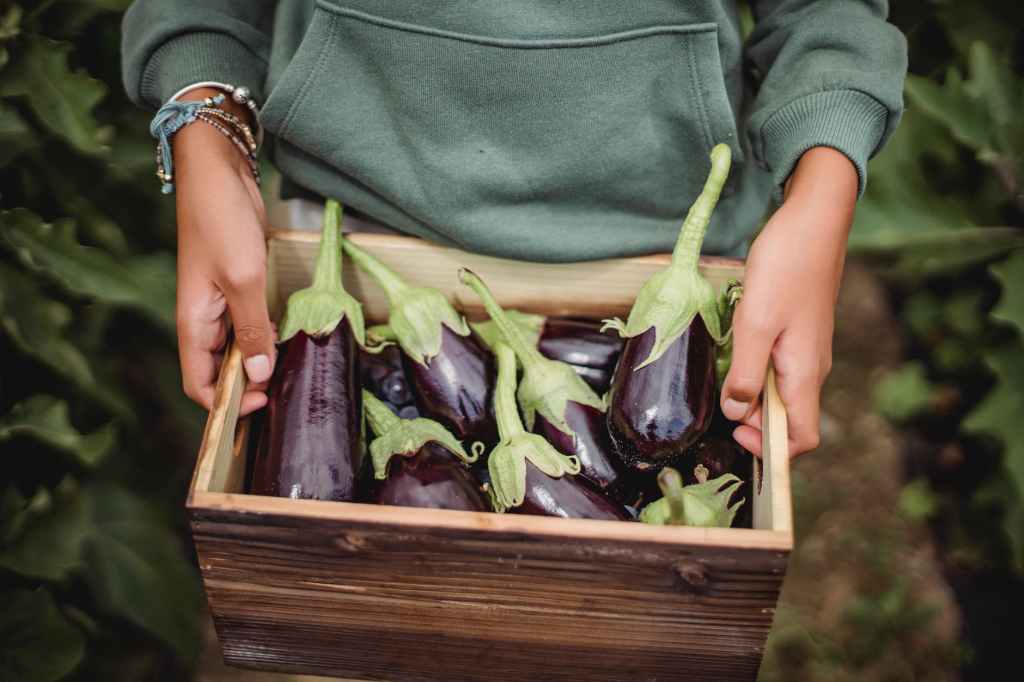
Gisela agrees: “Any red vegetables, orange towards the redder going towards purple like aubergines the more antioxidants they contain, helping us fight free radicals in the body and oxidation and thereby anti – aging.”
Both Gisela and Suella recommend fennel seeds and young leaves to make a brilliant digestive drink as a fusion and Allium ursinum also known as ramson or wild garlic has a long tradition of medicinal use as iantimicrobial, antibiotic and an immune booster supporting our gut microbiome.
“It’s been found to have ten times the medical properties of cultivated garlic including anti – fungal, antiseptic, anti-inflammatory and cardio-protective,” said Gisela.
The bright blue star flowers of borage shine brightly on Park Farm, the flowers not only garnish summer drinks but along with its leaf it’s long a registered herbal ingredient in medicines sold over the counter for coughs and colds and to boost the adrenal system.
Many of the growers make comfrey tea but as a fertiliser for the vegetables rather than for its medicinal uses.
“In herbal medicine we try to use the native species, but Russian comfrey is prolific on the allotments and should be used topically rather than internally as it contains alkaloids that can damage the liver. The Russian comfrey heals bruises as well as pulled muscles and ligaments, sprains, strains, and osteoarthritis,” said Gisela.
John grows sage to stuff the turkey, but it has a long history of curative uses for sore throats, memory loss, diabetes, high cholesterol levels and for the relief of many serious and life-threatening diseases such as depression, dementia, obesity, diabetes and heart disease.
Gisela encourages people to learn how to identify the plants, to be curious and find more out about how to eat them. It’s incredible the value of what’s wild; dandelion leaves and Calendula flower petals with healthy resins can be introduced into a diet in salads, soups and tea and the prolific nasturtium high in vitamin C is great in salads and fights off colds.
“Traditional herbal medicines are the foundation of many of today’s medicines, for example the everyday aspirin we all reach for comes from meadow sweet found in damp, humid areas that have flooded or near rivers – right under our feet.”

 Charnwood News
Leave a comment